Category: Health

Discover clear, practical health tips for parents and students—easy guidance written in plain, friendly language to support everyday wellness.

  • Childhood Vaccines: A Parent’s Guide to Protecting Your Little One

    Childhood Vaccines: A Parent’s Guide to Protecting Your Little One


    Becoming a parent comes with countless responsibilities, and one of the most important is safeguarding your child’s health. Childhood vaccination for parents is one of the clearest ways to protect children from serious illnesses. Vaccines — or “shots” as we often call them — have been protecting children for decades, saving millions of lives every year.

    This article provides a friendly, practical overview of childhood vaccination, helping you separate facts from fears so you can confidently support your child’s well-being.


    Why Vaccination Matters?

    Children are naturally curious, exploring the world with every touch, crawl, and hug. But this curiosity also exposes them to germs. Vaccines act like tiny practice runs for the immune system. They teach your child’s body how to recognize and fight dangerous infections before they ever come into contact with them.

    Without vaccines, illnesses such as measles, whooping cough, or polio could spread rapidly, causing severe complications. Thanks to immunization, many of these once-deadly diseases are now rare — but they haven’t disappeared completely. A simple plane ride or an unvaccinated neighbor could reintroduce them.


    How Childhood Vaccination Works in Children’s Bodies

    When your child gets a vaccine, a small, harmless piece of the germ — often a protein or a weakened version of the virus — is introduced into their body. This cannot cause the actual disease, but it does spark the immune system to respond.

    Understanding childhood vaccination for parents helps make sense of how immunity develops.

    The body makes antibodies, which are like custom-built “soldiers” designed to fight that specific germ. Even after the antibodies fade, the immune system keeps a memory of how to defeat the disease. That way, if your child is ever exposed in real life, their body already knows what to do — fighting off the infection quickly and often without symptoms.

    This is why children can receive vaccines so early and be fully protected by the time they’re most at risk.


    Childhood Vaccination Schedule for Parents Explained
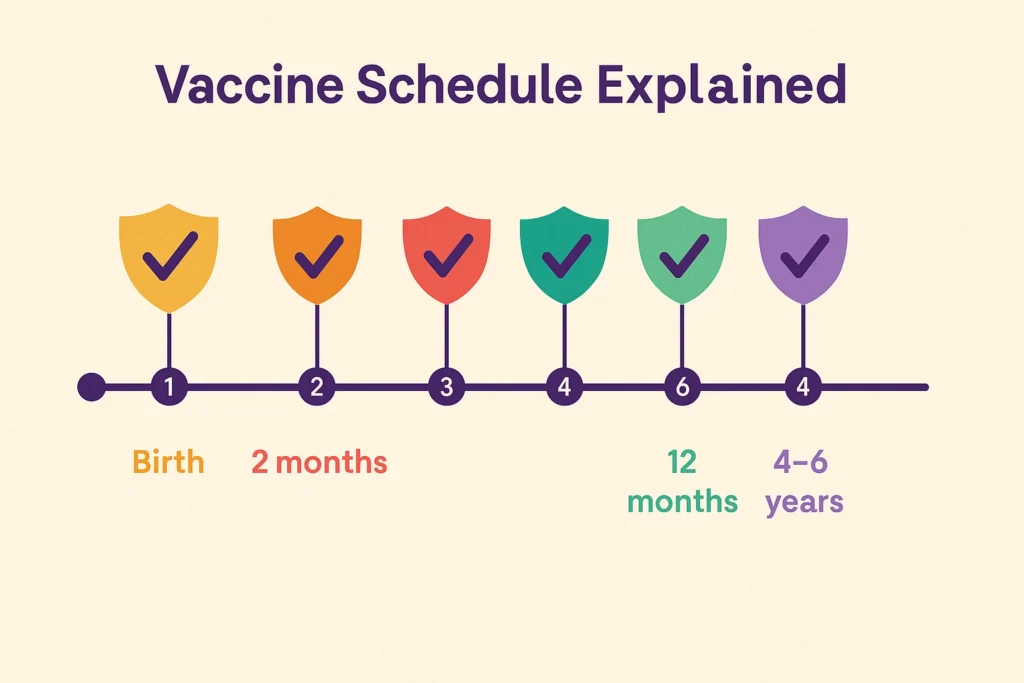
    Childhood vaccination schedule illustrated for parents.

    Parents often feel overwhelmed when handed a long chart of recommended vaccines. But understanding the timeline makes it easier:

    • At Birth: Hepatitis B (protects the liver from a dangerous virus).
    • 2–6 Months: Vaccines against diphtheria, tetanus, whooping cough, polio, Hib, hepatitis B, pneumococcal disease, and rotavirus.
    • 12–15 Months: MMR (measles, mumps, rubella), varicella (chickenpox), and boosters of earlier vaccines.
    • 4–6 Years: Booster doses before school entry.
    • Adolescence: HPV, meningococcal vaccines, and Tdap booster.

    Think of the schedule as a carefully designed shield, built layer by layer, giving your child the strongest protection when they’re most vulnerable.


    Behind the Scenes: How Vaccines Are Tested for Safety

    One of the biggest reassurances for parents is knowing how much effort goes into testing vaccines before they reach your child’s doctor.

    1. Laboratory and animal studies: Before a vaccine is ever tested in people, scientists study it in labs to confirm it’s safe and triggers an immune response.
    2. Clinical trials: Vaccines go through at least three phases of trials involving thousands of volunteers — including children — to carefully monitor safety, effectiveness, and side effects.
    3. Ongoing monitoring: Once approved, vaccines are tracked continuously by health agencies like the WHO, CDC, and FDA. Any unusual reaction is investigated immediately.

    This process can take 10–15 years, ensuring vaccines are among the most carefully tested products in medicine.


    Common Myths vs. Facts

    Doctor explaining vaccine myths and facts to parents.

    ❌ Myth 1: Vaccines cause autism.
    Fact: Decades of research involving millions of children show no link between vaccines and autism. The original study that suggested it was fraudulent and has been fully discredited.

    ❌ Myth 2: Too many vaccines overwhelm a child’s immune system.
    Fact: Every day, children naturally encounter thousands of germs. The immune system is more than capable of handling vaccines — in fact, modern vaccines use fewer ingredients than older versions.

    ❌ Myth 3: Natural immunity is better.
    Fact: Catching diseases like measles or chickenpox can cause severe complications, hospitalizations, and even death. Vaccines provide safe immunity without the risk of life-threatening illness.


    Safety and Side Effects

    It’s natural to worry about side effects. Most children experience only mild, temporary reactions like a sore arm, fussiness, or a low-grade fever. These are signs the immune system is learning.

    Serious side effects are extremely rare, and health agencies around the world carefully monitor vaccines for safety. If you ever have doubts, your pediatrician can explain what’s normal and when to seek help.

    Tips for Parents to Make Vaccination Easier

    1. Prepare your child gently: Use positive language like “the medicine will help keep you strong.” Avoid words that increase fear (“needle,” “hurt”).
    2. Bring comfort items: A favorite toy, blanket, or pacifier can calm a baby.
    3. Distraction works: Singing, blowing bubbles, or playing a short video can help older kids.
    4. Plan for aftercare: Have children’s acetaminophen ready if advised by your doctor. Cuddles, fluids, and rest usually do the trick.

    Practical Tips to Keep Track of Vaccines

    Life gets busy, and it’s easy to lose track of vaccine appointments. When it comes to childhood vaccination for parents, staying organized is key.

    • Keep the vaccination card handy: Store it with other important documents and bring it to every visit.
    • Use reminder apps: Many pediatric clinics offer digital reminders or portals that update automatically.
    • Set calendar alerts: Add vaccine dates to your phone or family calendar so you never miss a booster.
    • Ask for catch-up plans: If your child misses a shot, doctors can create a safe “catch-up” schedule.

    The Bigger Picture: Community Protection

    Vaccination doesn’t just protect your child — it safeguards the entire community. Some babies are too young for certain vaccines, and some children with medical conditions can’t be vaccinated. By immunizing your child, you help create “herd immunity,” reducing the spread of disease and protecting the most vulnerable.

    Global Success Stories of Vaccines

    The real-world impact of vaccines is one of the strongest arguments for their importance:

    • Smallpox: Once a devastating disease, it was completely eradicated worldwide in 1980 thanks to vaccination campaigns.
    • Polio: Once paralyzing hundreds of thousands of children each year, polio cases have dropped by over 99% worldwide.
    • Measles: Global measles deaths have decreased by nearly 80% since the year 2000 because of vaccines.

    These stories prove what’s possible when parents everywhere commit to immunization.

    What to Do If You’re Unsure

    It’s okay to feel uncertain. Instead of turning to social media posts, reach out to trusted sources:

    A good doctor will listen to your concerns without judgment and help you find answers.


    FAQs About Childhood Vaccination for Parents

    Q: Why are so many vaccines given so early in life?
    A: Babies are most vulnerable to infections, and their immune systems can respond well to vaccines. Giving them early provides protection during the riskiest years.

    Q: What if my child misses a vaccine appointment?
    A: Don’t panic. Doctors can create a catch-up schedule to get your child back on track without restarting.

    Q: Can my child still get sick even after being vaccinated?
    A: Yes, but usually in a much milder form. For example, a vaccinated child who catches chickenpox may have just a few spots instead of a full-body rash.

    Q: Are combination vaccines safe?
    A: Yes. Vaccines like DTaP (diphtheria, tetanus, pertussis) safely reduce the number of injections while still providing full protection.

    Q: What about children with allergies or chronic conditions?
    A: Most can be vaccinated safely. Pediatricians will adjust the plan if there are specific risks, such as severe egg allergies for certain flu vaccines.

    Q: Is it safe to get multiple vaccines in one visit?
    A: Absolutely. Studies show that children’s immune systems can easily handle multiple vaccines at the same time.

    Q: What should I do if my child has a reaction?
    A: For mild fever or soreness, comfort and fluids are usually enough. For anything severe, call your doctor immediately.

    Q: How do I talk to family members who are against vaccines?
    A: Share reliable resources and speak calmly. Often, showing that you’ve done your research and trust your doctor is persuasive.

    Q: Are there natural alternatives to vaccines?
    A: No natural remedy can replace the immune memory that vaccines provide. Healthy habits are important, but they don’t prevent diseases like measles or polio.

    Conclusion

    Vaccines are a gift of modern medicine — a shield that allows children to grow, play, and dream without the shadow of dangerous diseases. As a parent, you’re not just protecting your child’s present; you’re investing in their future health and the well-being of your community.

    Every shot is a step toward a healthier tomorrow.

    Related Articles: Child Fever Myths
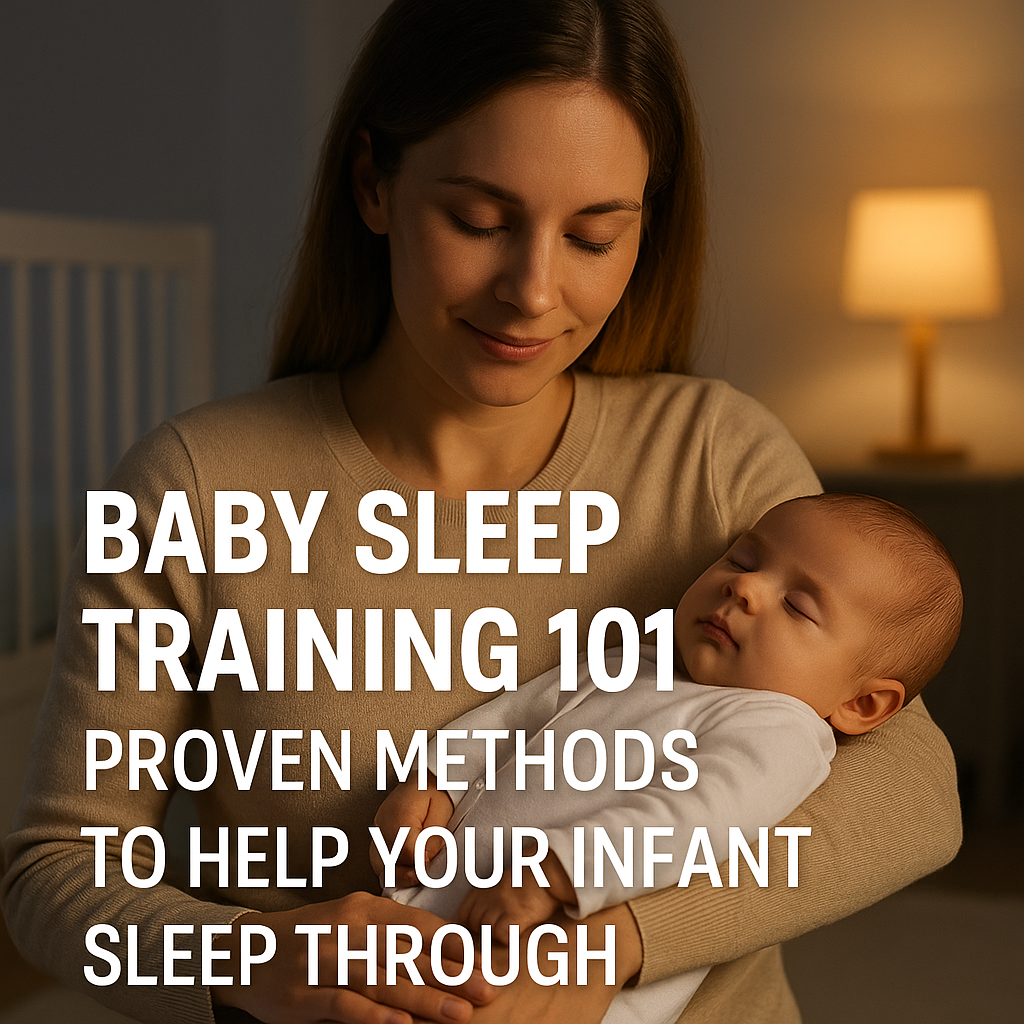
  • Baby Sleep Training 101: Proven Methods to Help Your Infant Sleep Through the Night

    Baby Sleep Training 101: Proven Methods to Help Your Infant Sleep Through the Night

    Introduction

    For many new parents, the first few months of a baby’s life can feel like one long, sleepless night. Waking every hour, rocking until your arms ache, and wondering if your little one will ever settle into a rhythm—this is a reality most families face. The lack of sleep doesn’t only affect the baby; it impacts the whole household. Parents often struggle with fatigue, stress, and even relationship strain when nights are disrupted, which is why many turn to baby sleep training as a solution.

    But here’s the good news: babies can learn how to sleep for longer stretches at night, and parents can guide them through gentle, structured methods known as baby sleep training. Contrary to myths, sleep training is not about letting babies “cry it out” endlessly. It’s about teaching them the skills to self-soothe, fall asleep independently, and stay asleep.

    In this guide, we’ll break down the science of infant sleep, share proven sleep training methods, highlight common mistakes to avoid, and answer frequently asked questions. Whether you’re a first-time parent or simply struggling with bedtime routines, this step-by-step approach will give you the tools to help your baby (and yourself) finally rest peacefully.

    Section 1: Understanding Baby Sleep Cycles

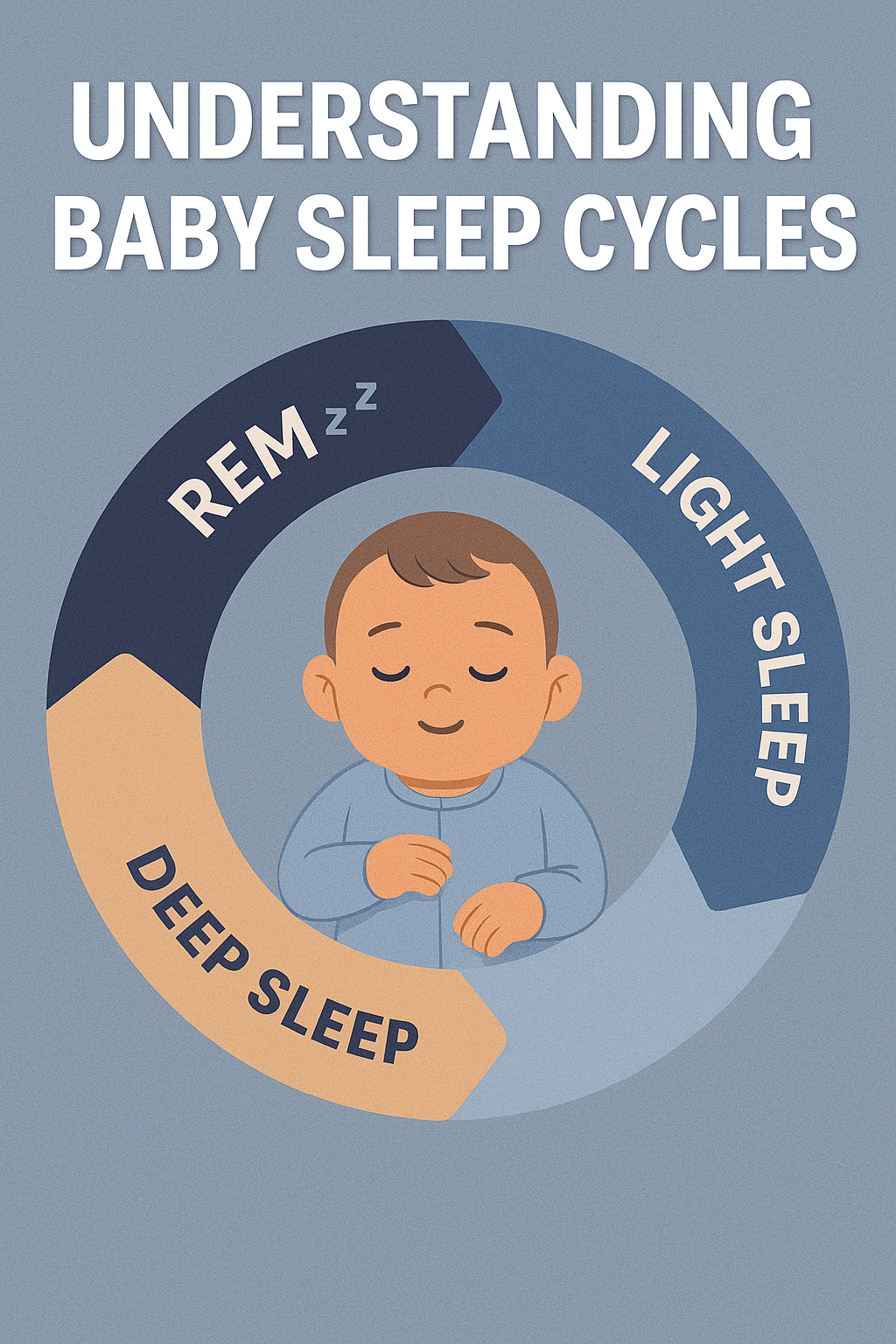
    • Babies sleep very differently from adults. While adults typically move through a 90–120-minute sleep cycle, infants have shorter cycles of about 50–60 minutes. This means they wake more frequently, especially during the early months.
    Illustration showing baby sleep cycles with REM, light sleep, and deep sleep stages.

    Key facts about infant sleep:

    • Newborns (0–3 months): Sleep 14–17 hours in total, divided into multiple naps around the clock. They rarely sleep more than 2–3 hours at a time.
    • Infants (4–6 months): Begin to consolidate sleep, often needing 12–15 hours in a day, with 2–3 longer naps and stretches of night sleep.
    • Older babies (6–12 months): Usually need 11–14 hours of sleep per day, including 1–2 naps.
    • Why is this important? Babies spend a larger percentage of their time in REM sleep (light sleep), which is critical for brain development and memory. But it also makes them more prone to waking up at the slightest sound or discomfort.
    • Understanding these natural sleep patterns helps parents set realistic expectations and choose the right time to start sleep training.

    Section 2: Signs Your Baby Is Ready for Baby Sleep Training

    Not all babies are ready for baby sleep training at the same age. While some begin to self-soothe by 3–4 months, others may need more time. Here are the clearest signs your baby might be ready:

    • Age range of 4–6 months: At this stage, babies usually no longer need to feed every 2 hours at night, making sleep training more effective.
    • Steady growth and weight gain: A healthy weight and consistent pediatric checkups indicate your baby can handle longer stretches of sleep without constant feeding.
    • Ability to self-soothe: If your baby sucks their thumb, cuddles a blanket, or finds ways to comfort themselves, they are developmentally ready.
    • Parental readiness: Sleep training requires patience and consistency. Parents must feel emotionally prepared to stick to the chosen method.

    ⚠️ Always consult your pediatrician before starting, especially if your baby was born prematurely or has medical concerns.

    Section 3: Proven Baby Sleep Training Methods

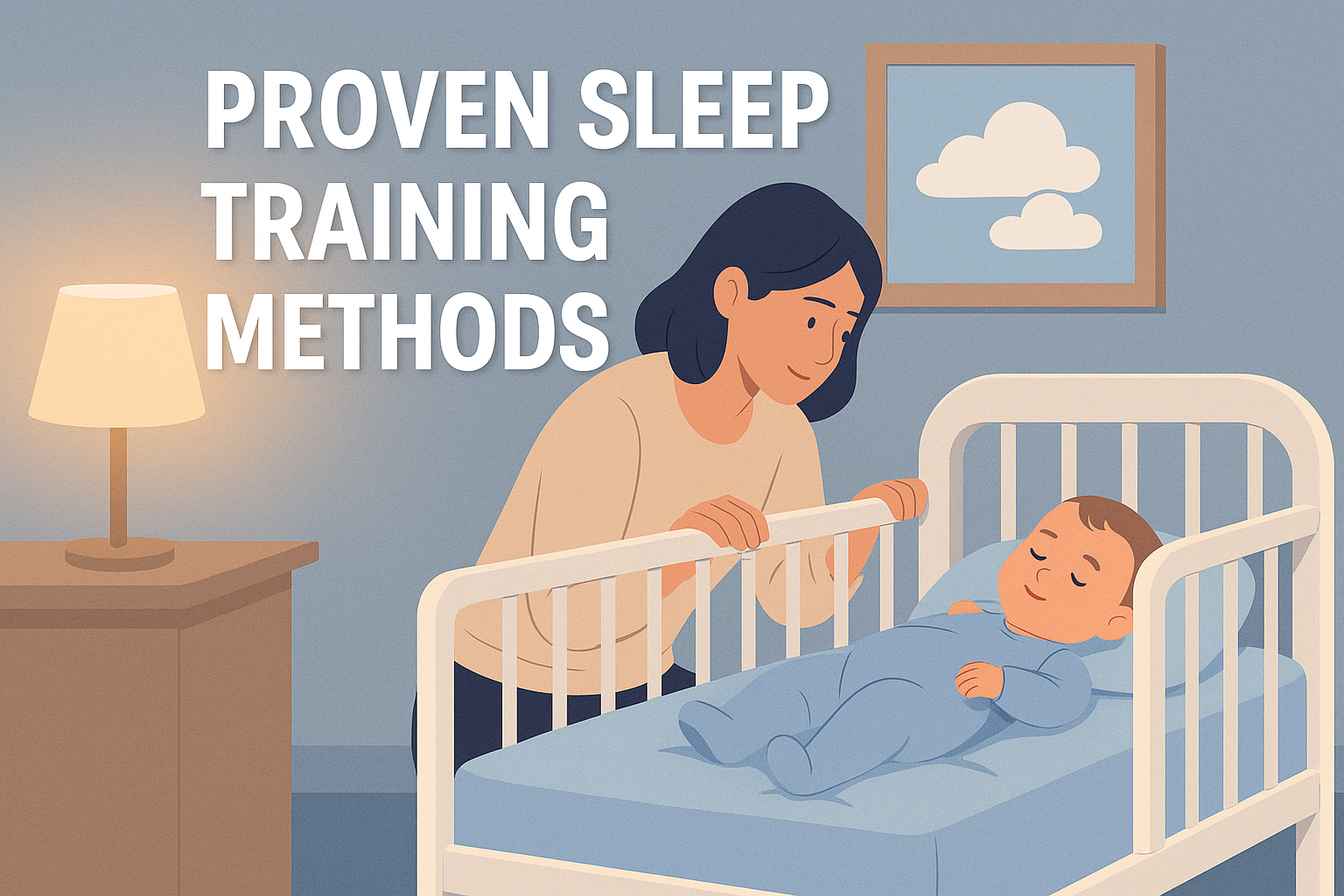
    Illustration of parent gently practicing sleep training with baby in crib.

    There isn’t a “one-size-fits-all” method. The right approach depends on your baby’s temperament and your parenting style. Here are four evidence-based techniques:

    1. The Ferber Method (Graduated Extinction)

    • Put your baby in the crib awake after bedtime routine.
    • If they cry, wait a set time (e.g., 5 minutes) before checking in briefly.
    • Each night, increase the wait time (10 minutes, 15 minutes, etc.).
    • Gradually, your baby learns to fall asleep on their own.

    Pros: Effective in a short period (3–7 days).
    Cons: Can be emotionally difficult for parents.


    2. The Chair Method

    • Sit in a chair next to your baby’s crib until they fall asleep.
    • Each night, move the chair further away until you’re out of the room.
    • Offers reassurance while encouraging independence.

    Pros: Gentler and less crying.
    Cons: Takes longer (2–3 weeks).


    3. No-Tears Method

    • Focuses on comfort: rocking, singing, gentle patting.
    • Gradually reduce the amount of soothing over time.
    • Works best for sensitive parents who prefer a slow approach.

    Pros: Minimal crying, emotionally easier.
    Cons: May take months for results.


    4. Bedtime Fading

    • Track how long it usually takes for your baby to fall asleep.
    • Start bedtime slightly later (closer to natural sleep time).
    • Gradually shift bedtime earlier while encouraging self-soothing.

    Pros: Works with baby’s natural rhythm.
    Cons: Requires careful observation and consistency.

    Section 4: Practical Tips for Success

    Regardless of the method you choose, these practical strategies can make sleep training smoother:

    • Create a bedtime routine: A warm bath, soft lullaby, and dim lights signal to your baby that bedtime is near.
    • Use a consistent sleep environment: Keep the room cool, dark, and quiet. Blackout curtains and white noise machines help minimize distractions.
    • Place your baby down drowsy but awake: This teaches them to fall asleep independently instead of relying on rocking or feeding.
    • Avoid overstimulation: No screens, bright lights, or rough play within an hour of bedtime.
    • Consistency is key: Stick to the same schedule every night. Babies thrive on routine.

    Section 5: Common Mistakes to Avoid in Baby Sleep Training

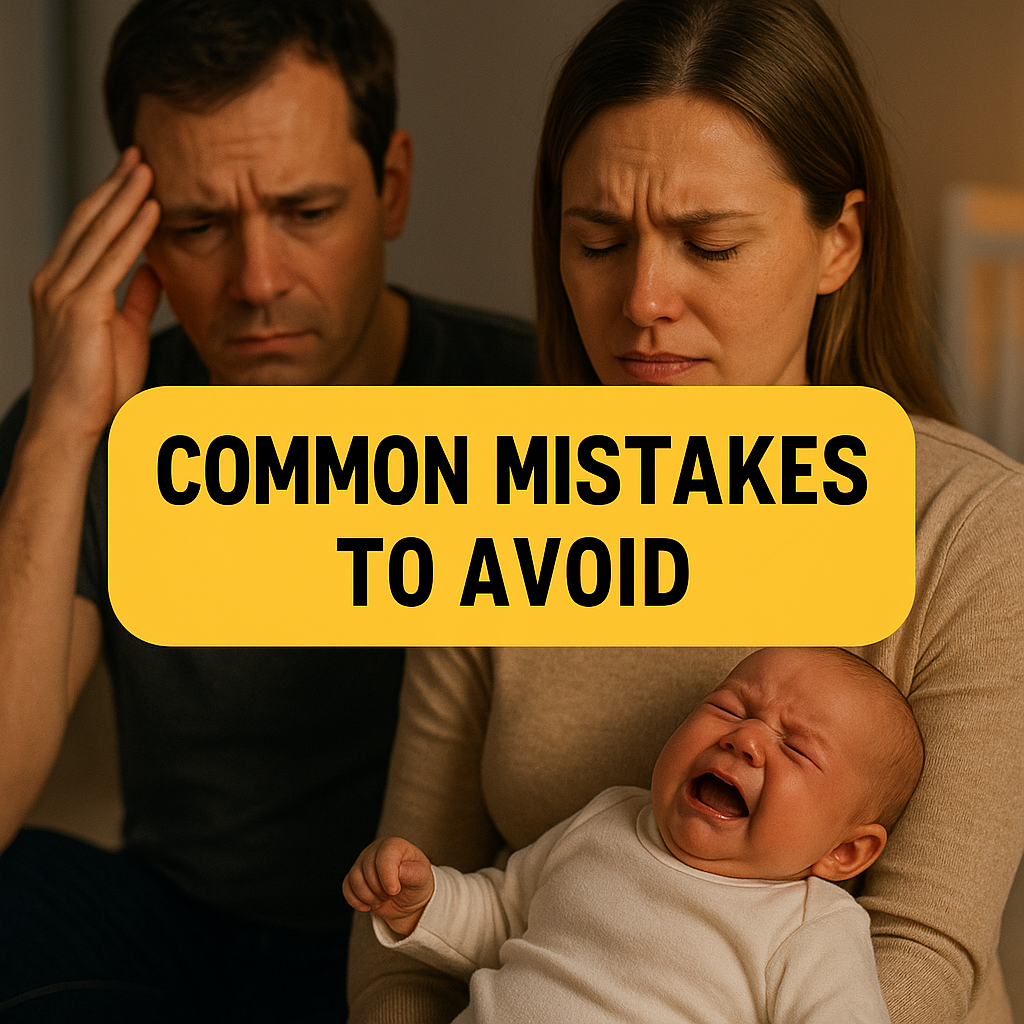
    Parents stressed while caring for crying baby, representing common mistakes to avoid in sleep training.

    Even with the best intentions, some mistakes can derail progress:

    • Starting too early: Before 4 months, babies still need frequent night feeds.
    • Inconsistent approach: Switching between methods confuses the baby.
    • Overusing sleep props: Rocking, pacifiers, or feeding to sleep can create dependency.
    • Ignoring health issues: Conditions like reflux or allergies can disrupt sleep. Always rule these out first.
    • Skipping naps: Overtired babies fight sleep more, not less. Maintain consistent daytime naps.

    Section 6: Frequently Asked Questions About Baby Sleep Training

    Q1: Is baby sleep training harmful for babies?
    No. Multiple studies show that when done at the appropriate age, sleep training is safe and does not cause emotional or developmental harm.

    Q2: How long does baby sleep training take?
    Some babies adapt within 3–5 nights using methods like Ferber, while gentler approaches may take several weeks.

    Q3: What if my baby cries too much?
    Crying is expected, but prolonged distress should be addressed. Try gentler methods if crying becomes overwhelming. Always check for hunger, discomfort, or illness first.

    Q4: Can I sleep train twins?
    Yes, but it requires patience. Place them on similar routines but expect small differences in their adjustment.

    Q5: Does teething or illness disrupt baby sleep training?
    Yes, temporary setbacks are normal. Pause training during illness and resume once your baby feels better.

    Q6: Can I sleep train while breastfeeding?
    Absolutely. Night feedings should continue if needed, but focus on feeding for nutrition rather than comfort.

    Q7: Do I need to stop co-sleeping?
    Not necessarily. Some parents use gentle methods while practicing safe co-sleeping, but independent sleep training is easier in a crib.

    Q8: Can I sleep train while traveling or during holidays?

    Travel often disrupts a baby’s routine, but it doesn’t mean you have to pause sleep training entirely. Try to keep the bedtime routine consistent—even if you’re in a new environment. Use familiar items like the same blanket, white noise, or bedtime story. If disruptions happen, restart training once you’re back home.

    Q9: What if my partner and I don’t agree on the method?

    Consistency is key in sleep training. If one parent applies the method and the other doesn’t, the baby receives mixed signals, which slows progress. Discuss together, agree on a method, and stick to it as a team. Sharing responsibilities during nighttime also reduces stress and builds confidence.

    Q10: Does sleep training affect naps during the day?

    Yes, naps are part of healthy sleep training. Babies who nap well usually sleep better at night because they aren’t overtired. Establish a nap schedule that matches your baby’s age and aim for naps in the same environment as nighttime sleep. Over time, daytime naps become more predictable and support longer nighttime rest.


    Conclusion

    Baby sleep training is not about rigid rules—it’s about finding the balance that works for your family. Whether you choose a fast method like Ferber or a gentler one like the Chair Method, consistency and patience are what matter most. Remember that every baby is different, and setbacks are normal.

    By establishing a predictable bedtime routine, creating the right sleep environment, and staying committed, you’ll give your baby the tools to develop lifelong healthy sleep habits. More importantly, you’ll regain your own rest and energy, allowing your whole family to thrive.

    Related articles : Child Fever Myths

    Further Reading

  • 7 Common Child Fever Myths Parents Believe 🔥👶

    7 Common Child Fever Myths Parents Believe 🔥👶

    Parents hear a lot of Child Fever Myths. Here’s what a fever really means, when to worry, how to keep kids comfortable, and red flags that need care.

    A fever is the body’s alarm—not the fire. It’s a sign the immune system is working. This guide tackles common Child Fever Myths with calm, practical tips you can use tonight. Always follow your clinician’s guidance; this is general information, not personal medical advice.

    7 Myths—Busted 💥

    1) “Any fever is dangerous.”

    Fact: Fever is usually helpful—it’s a normal immune response. Fevers from colds or flu are uncomfortable but rarely harmful on their own.

    2) “A higher number means a worse illness.”

    Fact: The thermometer number doesn’t equal severity. How your child looks and behaves matters more: breathing, hydration, alertness, and comfort.

    3) “If medicine doesn’t bring it to normal, something is wrong.”

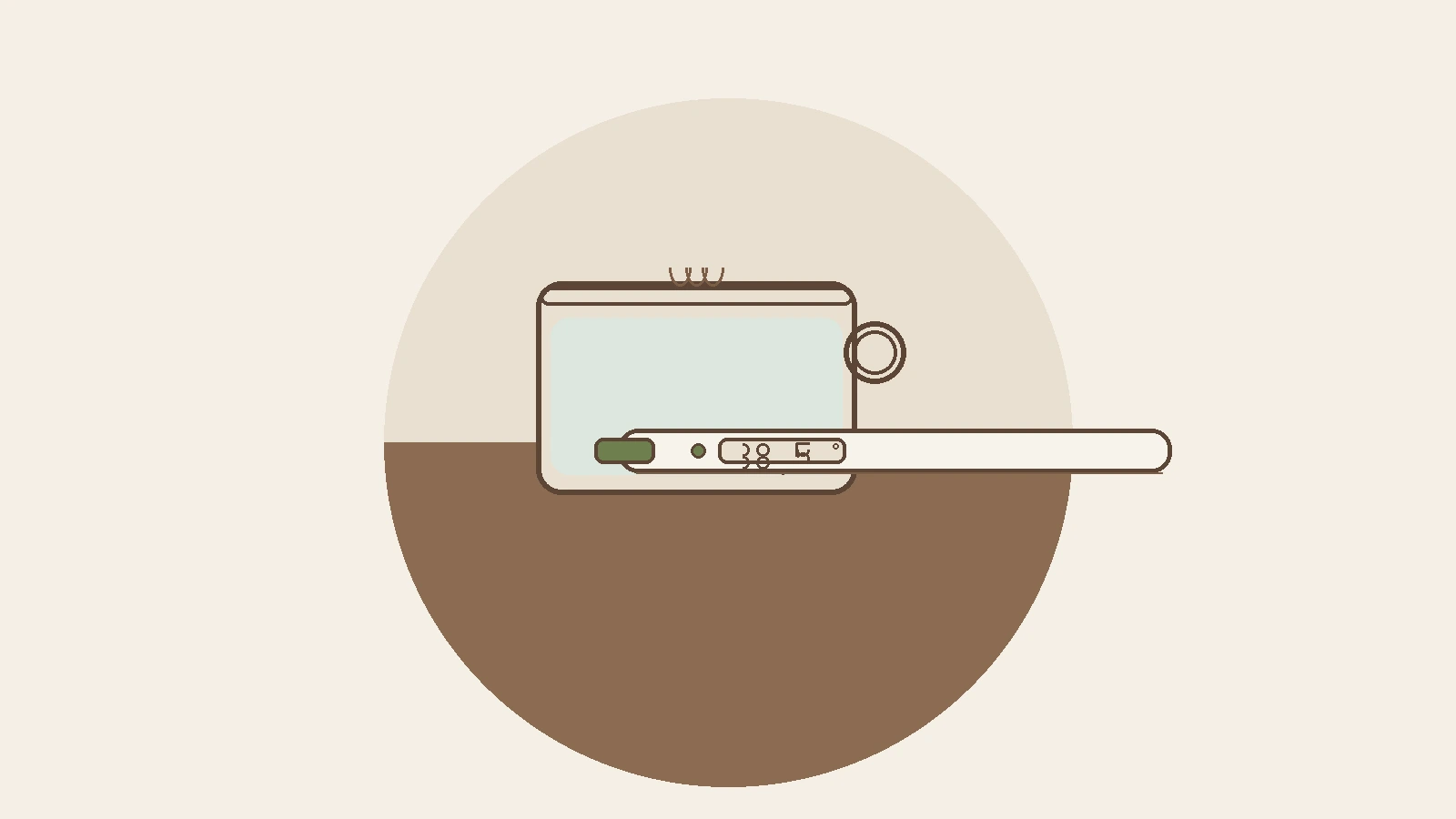
    Fact: The goal is comfort, not a perfect 37°C. Fevers often fall a little with acetaminophen or ibuprofen, then drift up again as the dose wears off.

    4) “You must alternate fever medicines.”

    Fact: Alternating isn’t required and can confuse dosing. Using one medicine correctly is usually enough—unless a clinician advises otherwise.

    5) “Cool baths or ice packs cure fever.”

    Fact: Cooling the skin can cause shivering and distress. Focus on fluids, light clothing, and a comfy room.

    6) “No appetite means emergency.”

    Fact: Sick kids often eat less. What matters is fluids and urine output. Offer small, frequent sips of water, oral rehydration solution, or breast/formula in infants.

    7) “Antibiotics cure fever.”

    Fact: Most childhood fevers are viral—antibiotics don’t help. A clinician will decide if a bacterial infection is likely before prescribing.

    When to Treat the Fever 😌

    Treat if your child is uncomfortable, in pain, or not sleeping/drinking well. Use one of the following if not contraindicated:

    • Acetaminophen (paracetamol): follow labeled dosing or clinician advice.
    • Ibuprofen: for children ≥6 months; follow labeled dosing or clinician advice.
      Give by weight when possible and use the dosing device that comes with the medicine.

    Home-Care Checklist ✅

    • Fluids often; tiny sips count.
    • Light clothes; comfortable room temperature.
    • Let them rest; don’t force food.
    • Re-check temperature only as needed—watch behavior more than numbers.
    • Avoid aspirin in children.
    • Never exceed labeled doses or double up on ingredients.

    Red Flags — Seek Medical Care Now 🚩

    • Age under 3 months with any fever (rectal ≥38.0°C)
    • Difficulty breathing, blue lips, severe chest/abdominal pain
    • Lethargy, unusual irritability, stiff neck, severe headache, seizure
    • Signs of dehydration: very dry mouth, no tears, no urine ≥8 hours, sunken eyes
    • Rash that spreads quickly or unexplained bruising
    • Fever >3 days, or you’re worried for any reason

    Helpful Sources 🔗

    For reliable background, see the World Health Organization and the American Academy of Pediatrics.

    Disclaimer: This article shares general information—not personal medical advice. Always follow your clinician’s guidance and local protocols.